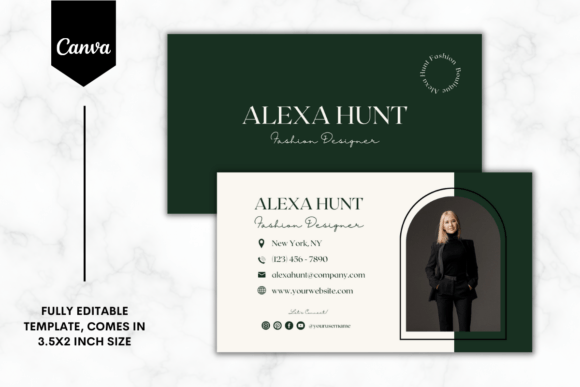
Professional Minimalist Company Business
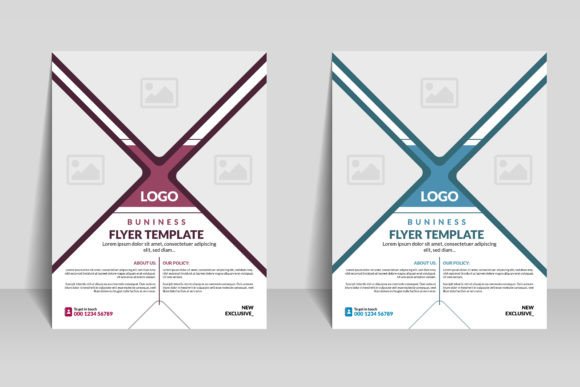
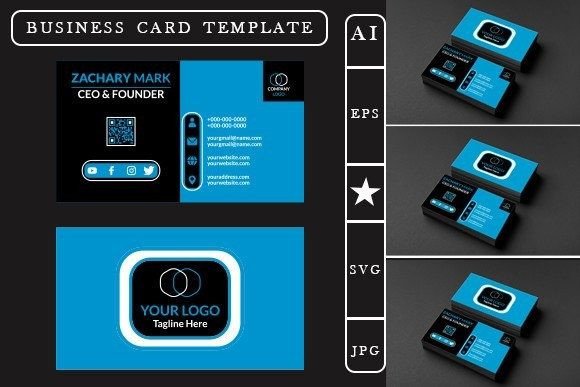
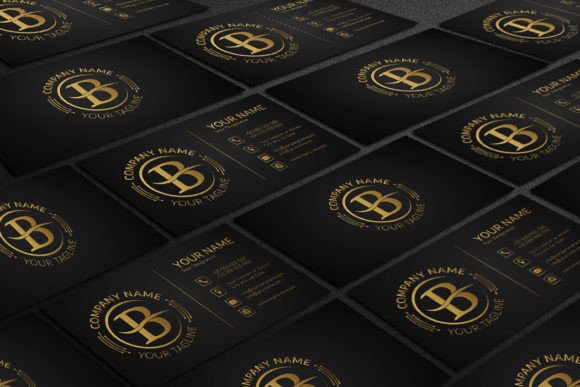
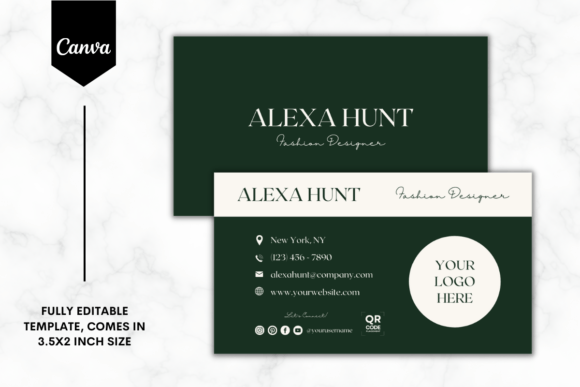
As a designer who’s stitched over 300 client projects—from boutique aprons to Etsy embroidery kits—I opened Professional Minimalist Company Business expecting clean lines and quiet confidence. What I found wasn’t just “minimalist” in name—it’s minimalism with intention: balanced negative space, restrained typography, and a subtle hierarchy that breathes on fabric. It feels like the kind of design you’d choose for a ceramicist’s studio tag or a sustainable clothing brand’s sleeve logo—not flashy, but unmistakably considered.
First Stitch, First Impression: Does It Translate to Thread?
I tested Professional Minimalist Company Business on a natural linen tea towel—medium-weight, slightly textured—and ran it as a machine embroidery design at 3.8 cm wide (scaled down from its original Canva ID card size of 8.5 x 5 cm). The layout held up beautifully: no crowding, no awkward gaps between letters or symbols. Because it’s built for clarity—not ornament—the satin stitch edges stayed sharp, and the fill stitch areas remained breathable, not dense or plasticky. That’s critical when you’re embroidering baby onesies or organic cotton tote bags meant for daily use.
This isn’t an applique design or a high-detail monogram. It’s a graphics-based embroidery file that leans into simplicity as strength. No swirls, no drop shadows, no gradients—just confident shapes and intentional spacing. That makes it unusually versatile across real-world embroidery projects: sweatshirt embroidery where bulk matters, embroidered patch backings where clean edges prevent fraying, and even holiday embroidery on linen pillow covers where subtlety reads as warmth, not emptiness.
Where It Shines—and Where You’ll Want to Pause
Professional Minimalist Company Business excels on stable, medium-to-heavy fabrics: canvas tote bags, denim jackets, structured aprons, and midweight cotton towels. On those surfaces, the design reinforces professionalism without shouting. A small shop owner using it on custom kitchen towels? Customers notice the restraint—and associate it with care. An Etsy seller stitching it onto organic cotton baby caps? It reads as gentle, modern, trustworthy.
But here’s where experience kicks in: this design doesn’t forgive instability. On stretchy knits (like lightweight t-shirts), the clean lines can blur if stabilizer choice or hooping isn’t precise. On dark fabric, double-check thread colors—especially if your version includes fine grey or light taupe lettering; those may vanish without contrast testing. And on curved surfaces like caps or curved pillow seams, the horizontal layout means you’ll need to adjust placement carefully—no automatic centering. It’s not a “drop-in-and-stitch” file for every surface, but it *is* a reliable one—if you respect its quiet precision.
Also worth noting: because it’s rooted in print templates, the vector foundation (SVG) gives flexibility—but don’t assume all versions translate identically to stitch files. The PNG and JPEG are great for mockups and digital previews, but for actual embroidery, always confirm the stitch file is optimized—not just traced. If you’re sourcing this as a digital embroidery file, test it first on scrap fabric using your usual stabilizer combo. Run it in black thread on white fabric, then white thread on navy—see how legibility holds.
Real Project Moment: The Boutique Tote Bag Launch
Last month, I used Professional Minimalist Company Business as the anchor embroidery for a set of limited-run linen tote bags for a local herbal apothecary. We placed it centered on the lower right panel, sized to 4.2 cm wide—just large enough to read at arm’s length, small enough to avoid overwhelming the fabric’s natural slub. Customers didn’t just see a logo—they sensed intention. One wrote, “It looks handmade, but also like it belongs in a museum gift shop.” That duality? That’s the power of well-executed minimalism in embroidery.
The design supported our branding goals without competing with the product itself. No extra embellishment needed. No fear of thread snagging on grocery bags or washing cycles—low stitch density meant durability. And because the layout avoids tight corners or micro-details, it stitched cleanly across three different hoop sizes (100mm, 120mm, and 130mm) without re-hooping or digitizing tweaks.
What This Means for Your Craft Business
If you’re an Etsy seller, small shop owner, or creative entrepreneur building a cohesive handmade product line, Professional Minimalist Company Business works as both a functional asset and a subtle trust signal. It says: “I value clarity. I respect your time and taste.” That builds buyer engagement more quietly—and often more effectively—than ornate alternatives.
For commercial embroidery projects, it scales reliably across formats: embroidered patch backings, custom apparel tags, and even printable mockups for client presentations. Its roots in Print Templates mean it’s built for consistency across digital and physical touchpoints—ideal if you’re offering coordinated branding (e.g., matching tote + business card + Instagram highlight icon).
Practical Designer Notes Before You Stitch
- Always test Professional Minimalist Company Business on scrap fabric first—especially if using textured, dark, or stretchy materials.
- Review stitch density visually: too much fill stitch = stiff fabric; too little = fragile lettering. Adjust if digitized manually.
- Confirm hoop size compatibility—its proportions favor standard rectangular hoops over narrow or round frames.
- Inspect small details at 200% zoom: fine lines or thin serifs may disappear in satin stitch unless digitized with care.
- Try black-and-white mockups before final thread selection—contrast matters more than color trend.
- Use cutaway or tear-away stabilizer depending on fabric weight; skip fusible web unless backing is ultra-thin.
- If selling finished products (e.g., embroidered baby onesies), verify licensing terms—this is a Graphics file, not inherently commercial-use embroidery software output.
- For personalized gifts or holiday embroidery, pair it with neutral thread palettes—oatmeal, charcoal, deep olive—to keep focus on form, not flash.
In short: Professional Minimalist Company Business isn’t background noise. It’s a thoughtful voice—calm, clear, and ready for real work. Whether you’re stitching for your own craft business or curating design assets for clients, treat it like the quiet professional it is: capable, consistent, and worth the attention.