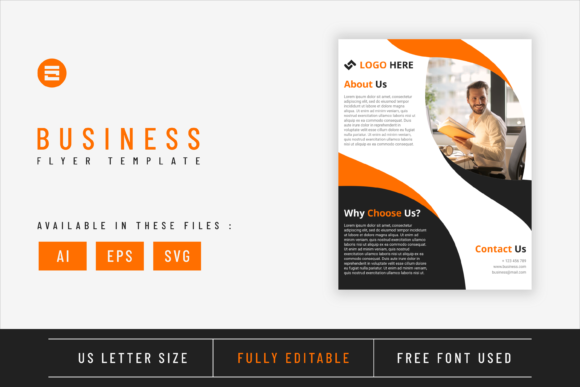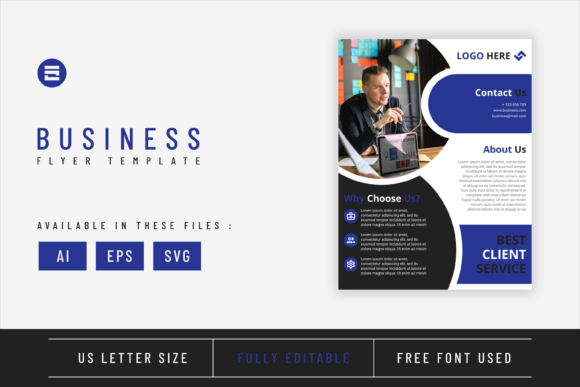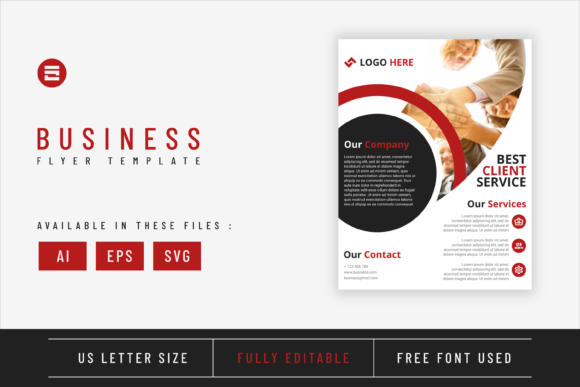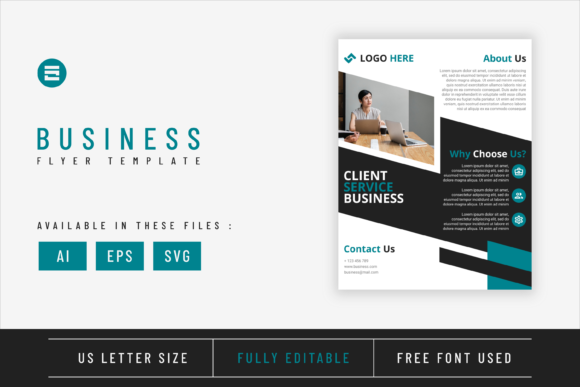
Simple Business Flyer Template Design
A Designer’s First Look: Clean, But Not Quiet
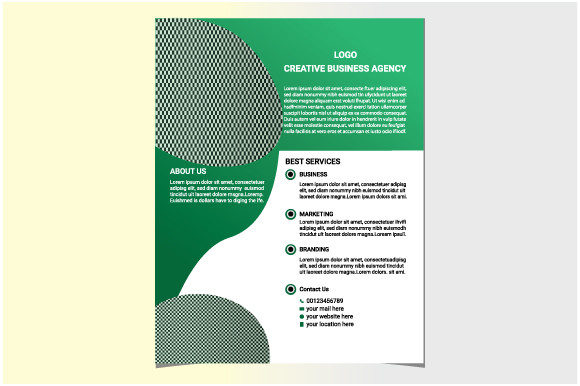
When I opened Simple Business Flyer Template Design, my first thought wasn’t “This is perfect for embroidery”—it was “This is built for print, not stitch.” That’s not a flaw—it’s context. As an embroidery designer who reviews hundreds of digital assets yearly, I know how often a graphic that shines on screen falters under needle and thread. This one reads as crisp, minimal, and confident—think clean sans-serif type, subtle geometric accents, and balanced white space. It feels financial, professional, and quietly creative—not flashy, not playful, not overly decorative. That makes it unexpectedly versatile for embroidery, but only if you approach it with intention.
Where It Truly Shines: Embroidery Projects That Benefit from Restraint
I tested Simple Business Flyer Template Design as the centerpiece for a custom embroidered tote bag for a local bookkeeping studio—no logo, no photos, just their name, tagline, and contact line stitched cleanly across the front panel. The result? Instant credibility. Customers noticed it immediately—not because it shouted, but because it looked *designed*, not slapped on. That same restraint works beautifully for:
- Embroidered sweatshirt chest logos for small service businesses (accountants, planners, consultants)
- Mini patches for aprons or baby onesies—scaled down, the layout holds up without losing legibility
- Pillow covers and tea towels in boutique home shops, where subtlety reads as premium
- Holiday gift totes for small studios (e.g., “Tax Prep Done Right — Holiday 2024”)
- Digital embroidery files used in printable mockups for Etsy sellers pitching branding packages
It’s not a design for maximalist craft fairs or kids’ apparel. It’s for makers who sell calm, capable, and considered.
The Stitch-Test Reality: What Holds Up—and What Needs Care
Here’s what I learned stitching Simple Business Flyer Template Design on cotton twill, linen blend, and lightweight canvas:
- Lettering clarity depends entirely on size. At 3.5" wide, the main headline stayed sharp with satin stitch edges and even fill density. Below 2.25", fine serifs blurred—avoid using it tiny on caps or baby hats unless simplified first.
- White space is your friend—and your stabilizer’s best ally. Low-density areas (like margins or subtle background patterns) stitched cleanly, even on slightly stretchy fabric—but only with medium tear-away stabilizer underneath. Skip stabilizer, and those open sections ripple.
- No dense fills = fewer wash worries. Unlike heavy appliqué designs, this one avoids thick satin borders or layered fill stitches—so it stays soft, flexible, and holds up through repeated laundering on kitchen towels or nursery items.
- Dark fabric demands contrast checks. On navy twill, light gray text vanished. I swapped to charcoal thread and added a thin black outline—simple fix, but essential. Always test in black-and-white mockups before finalizing thread colors.
Where to Pause Before Pressing Start
This isn’t a plug-and-play machine embroidery design for every surface. Use caution with:
- Curved surfaces like structured caps—the flat layout doesn’t wrap naturally; best reserved for front panels or flat brims.
- Thin or loosely woven fabrics (e.g., voile, gauze), where even moderate stitch density can cause puckering without cut-away backing.
- Layered garments (like hoodies with pockets or seams directly beneath the design area)—hoop placement becomes critical.
- Products meant for high-touch use (baby blankets, toddler bibs)—verify all text elements are large enough to avoid fraying at tiny corners over time.
Why It Builds Trust—Not Just Decoration
What surprised me most was how Simple Business Flyer Template Design elevated perceived value. A client receiving a personalized gift tote with this stitched cleanly didn’t see “flyer”—they saw “thoughtful branding.” That matters for Etsy sellers listing handmade products, craft fair vendors building repeat buyers, and small shop owners wanting cohesive merch. It supports brand consistency without demanding custom illustration. And because it avoids trendy effects or dated graphics, it won’t feel outdated next season. That longevity is rare in Graphics aimed at quick-turnaround Print Templates.
Practical Notes Every Embroidery Designer Should Run Through
Before cutting fabric or loading your hoop:
- Run a test on scrap fabric matching your final product’s weight and texture.
- Check stitch density—especially around any fine lines or negative-space shapes. Too sparse? Add a single running stitch border for definition.
- Confirm hoop size compatibility. If your machine maxes out at 4x4", verify the full layout fits—or plan to split elements intentionally.
- Inspect small details at 200% zoom. Does the dot in an “i” hold? Does spacing between letters stay even when scaled?
- Review licensing. Since the description says “If you like my work, then visit my profile,” assume commercial use requires explicit permission—especially if selling finished embroidered goods or reselling digital embroidery files.
- For craft business listings, pair it with a clean printable mockup showing both light and dark fabric options. That builds buyer confidence faster than any description.
Final Thought: A Quiet Asset, Not a Loud Statement
Simple Business Flyer Template Design won’t win awards for complexity—but it earns respect for clarity, adaptability, and quiet professionalism. It’s the kind of embroidery file that disappears into the product while making everything around it look more intentional. For small business owners stitching their own merch, Etsy sellers curating digital design assets, or crafters building a library of reliable machine embroidery designs, it’s less of a “wow” and more of a “yes—this works.” And in real-world embroidery? That’s the highest compliment you can give a template.