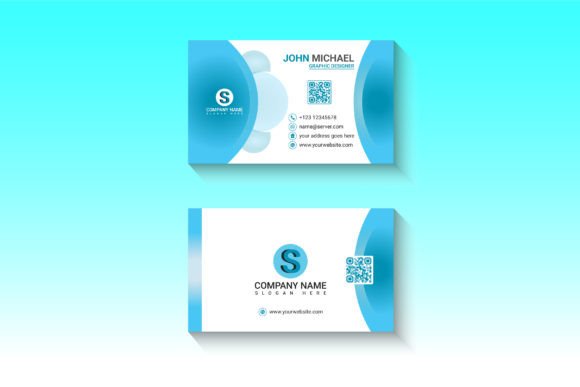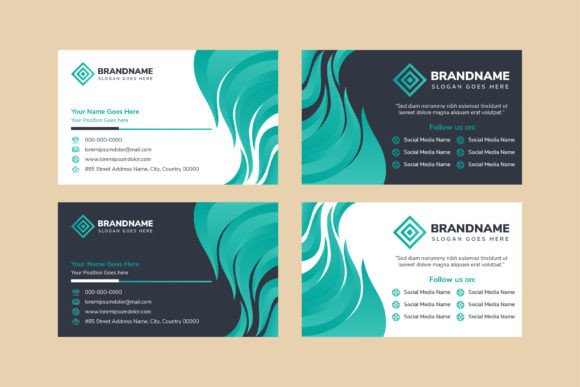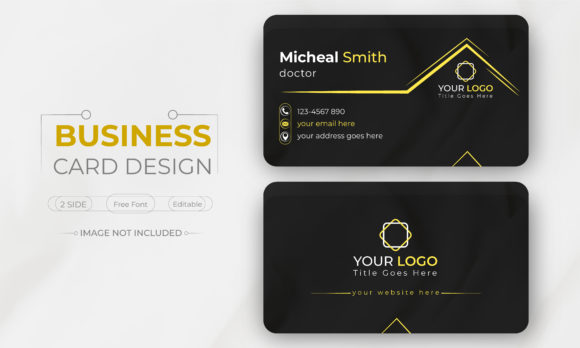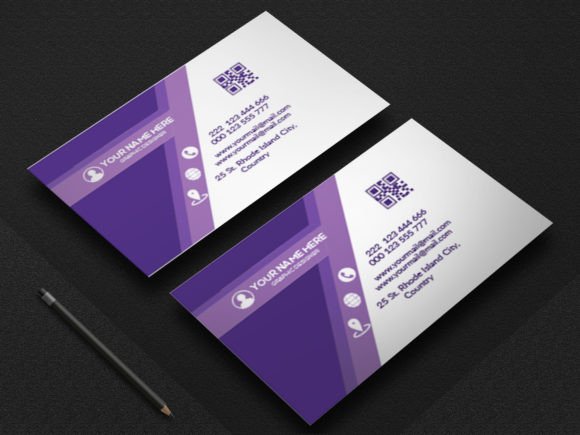
Modern Luxury Business Card Design: Graphics & Print Templates
As a digital product creator who’s launched over 200 listings across Etsy, Creative Market, and Shopify — mostly print templates and commercial design assets — I opened Modern Luxury Business Card Design expecting something polished but generic. Instead, I got a quiet standout: minimalist structure with intentional negative space, restrained metallic accents (gold foil effect in layered PSD), and typography that balances elegance with readability. It doesn’t shout “luxury” — it whispers it. That subtlety makes it ideal for high-end service providers (wedding planners, boutique consultants, holistic practitioners) and premium handmade businesses where brand identity leans into calm confidence, not flash.
This isn’t a festive or playful graphic design asset. It’s clean, professional, and quietly authoritative — leaning modern, not vintage; refined, not ornate; commercial, not crafty. The mood reads as trustworthy and intentional, which directly supports perceived value in digital downloads and printable products. For sellers building cohesive collections — say, a “Modern Branding Suite” on Etsy or a seasonal “Luxury Launch Kit” on Creative Fabrica — this design anchors the aesthetic without demanding attention away from the buyer’s own logo or contact info.
Where Modern Luxury Business Card Design shines is adaptability. As a ready-to-customize template, it converts cleanly into multiple high-demand product formats: SVG files for Cricut users cutting gold-foiled cardstock, high-res PNGs with transparent backgrounds for sublimation mugs or tote bags, layered PSDs for Canva template sellers adding editable text fields, and CMYK-ready PDFs for print-on-demand partners like Gelato or Printful. I tested it as a standalone t-shirt design (scaled down, centered on chest), a mug wrap (wrapped cleanly around handle-to-handle), and a planner sticker sheet (isolated elements as individual PNGs). All passed visual hierarchy checks — no detail loss, no awkward cropping, no reliance on tiny serif strokes that vanish at small sizes.
For product presentation, this asset lifts entire listings. Used in mockups — especially marble-textured desk scenes or matte black business card holders — it instantly signals premium positioning. Its clean lines make thumbnail appeal stronger on Etsy or social media feeds, where cluttered or overly decorative designs get scrolled past. I paired it with a neutral serif font (Cormorant Garamond) for client names and a light sans serif (Inter Light) for titles — the contrast reinforced professionalism without sacrificing warmth. When bundled with matching letterhead, envelope liners, and social media banners, it builds consistent brand storytelling across touchpoints, helping small business branding feel intentional rather than pieced together.
Modern Luxury Business Card Design works best where clarity and tone matter most: large-format printable products (A5 greeting cards, 8×10 framed prints), themed digital download bundles (“Executive Starter Pack”), packaging design for subscription boxes, and social media graphics announcing a rebrand. Its restrained color palette (charcoal, ivory, soft gold) ensures strong contrast on both white and dark backgrounds — critical when repurposing assets for Instagram carousels or email headers. It also holds up well in product mockups requiring subtle texture overlays or soft shadows, since its shapes don’t compete visually.
That said, use caution in contexts demanding precision or simplicity. Avoid scaling it down for die-cut sticker sheets smaller than 1.5 inches — fine line work and thin dividers blur. Don’t force it into crowded layouts (e.g., multi-panel invitation suites with dense text blocks), as its strength lies in breathing room, not density. Skip using it as-is for dark-background Cricut projects unless you verify the gold layer converts to a true opaque foil substitute (not just a yellow tint). And never assume cut quality — always inspect the SVG paths in Inkscape or Illustrator: look for overlapping nodes, ungrouped layers, or stray anchor points that cause jagged cuts on vinyl or cardstock.
Before publishing any listing featuring Modern Luxury Business Card Design, run these practical seller checks: First, test-print a sample on your target paper stock — does the gold simulate convincingly, or does it read flat? Second, preview the thumbnail at 120px width (Etsy’s mobile thumbnail size) — is the core shape still legible? Third, drop the PNG onto both white and charcoal backgrounds in Canva — does contrast hold? Fourth, open the SVG in Cricut Design Space — does it auto-detect clean cut lines, or do you need to simplify paths manually? Fifth, confirm resolution: 300 DPI minimum for printables, 2x scale for retina displays if used in web-based Canva templates.
File organization matters just as much as design quality. When delivering to customers, group assets clearly: “/SVG”, “/PNG-Transparent”, “/PSD-Layers”, “/PDF-Print-Ready”. Name each file descriptively — not “design1.svg”, but “luxury-card-front-bleed.svg”. Include a brief license note confirming commercial use (assuming the original purchase grants it — always double-check licensing terms before reselling finished products). Finally, pair it thoughtfully with complementary fonts: a strong serif for headings, a friendly sans for body text, a delicate script only for optional monogram accents — never overload.
In short, Modern Luxury Business Card Design isn’t flashy, but it’s functional, flexible, and quietly persuasive. It supports serious small business branding without requiring heavy editing. For digital product creators building trusted, scalable shops — especially those focused on print templates and graphics — it’s less of a “nice-to-have” and more of a foundational commercial design that earns its place in every premium bundle.